Fibre
Make room for plants
Vegetables, beans, lentils, fruit, nuts and whole grains can add fibre and texture.
Metabolic health
Food choices are personal. This guide offers general context on fibre, carbohydrate portions and meal patterns.
Nutrition advice should sit alongside, not replace, the plan agreed with your healthcare team.
The essentials
Meals that include vegetables, pulses, whole grains or other fibre-rich foods alongside a source of protein can be satisfying and practical. The amount and type of carbohydrate that suits one person may not suit another.
Regular monitoring, prescribed medicines and advice from a GP, diabetes nurse or dietitian remain central. If food changes affect your readings, discuss them with your care team.
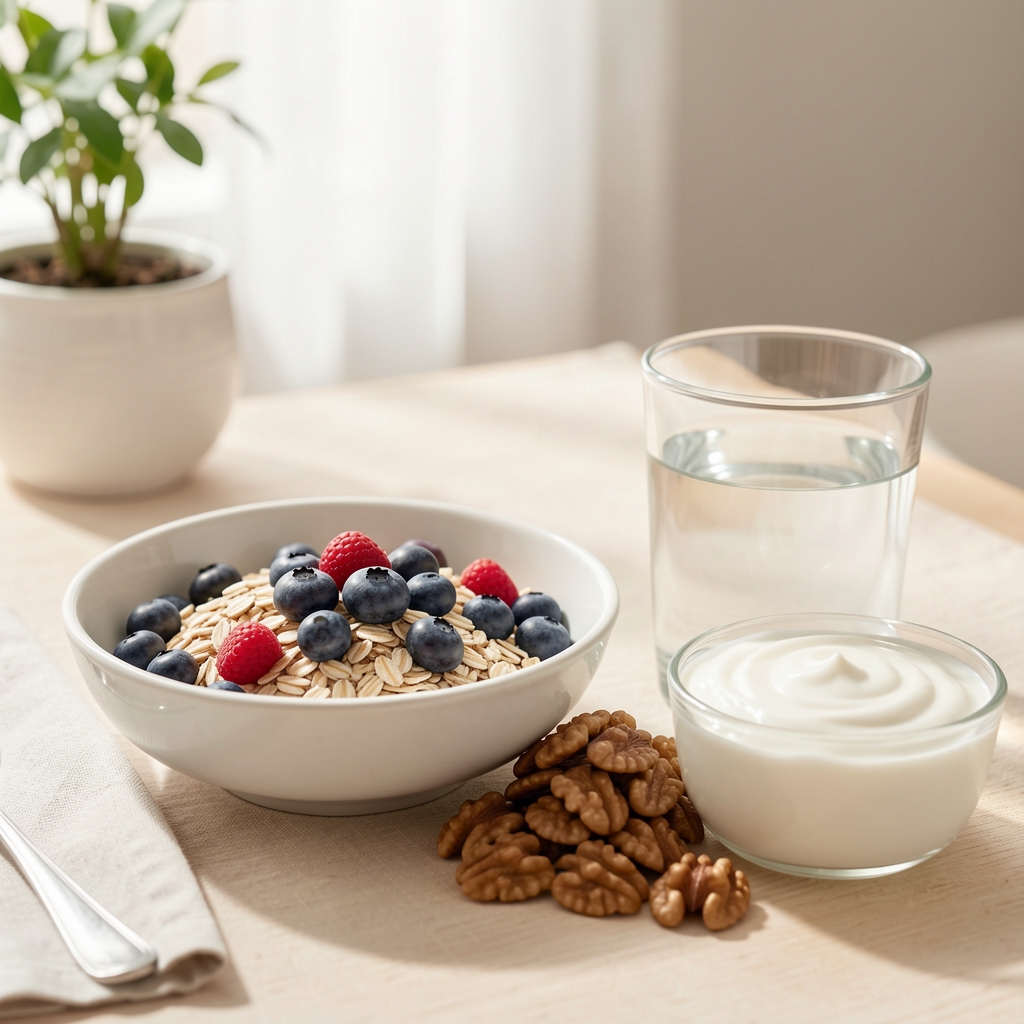
Fibre
Vegetables, beans, lentils, fruit, nuts and whole grains can add fibre and texture.
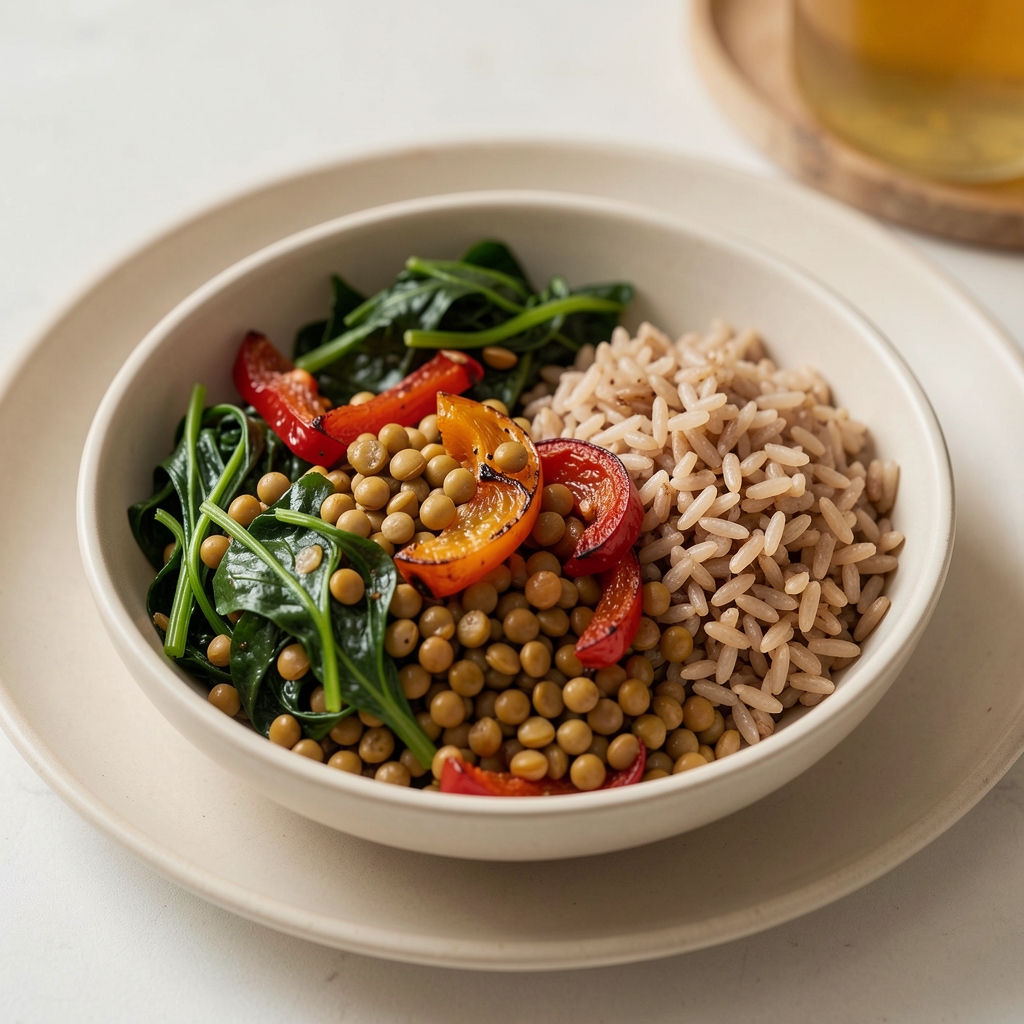
Routine
Keeping a simple record can help you and your clinician identify useful patterns.
Care
Unexpected changes in blood glucose, symptoms or medication needs deserve professional guidance.
Meal overview
| Building block | Why it may matter | Question for your team |
|---|---|---|
| Fibre-rich foods | May add texture and help a meal feel satisfying | Which choices fit my medicines and preferences? |
| Carbohydrate portions | Amounts and timing can influence individual readings | What pattern suits my agreed care plan? |
| Protein | Can contribute to a balanced plate | Are there kidney or other considerations? |
| Drinks | Choices can add energy or carbohydrate unexpectedly | What should I monitor in my routine? |
A calm process
People use different medicines, monitoring schedules and targets. The same meal can affect different people differently, so general articles cannot set a personal target.
Try combining a familiar wholegrain option with fruit, yoghurt or another suitable accompaniment, while considering the advice already received.
Use vegetables, pulses or salad as part of a meal that reflects appetite, activity and the person's usual routine.
Plan a flexible plate with food the household will actually eat; cultural and budget considerations are relevant.
“The useful question is not whether a food is universally good or bad, but how it fits a particular plan and person.”
Contact a GP, diabetes nurse or dietitian if readings change unexpectedly, symptoms concern you, or a proposed food change conflicts with prescribed care.
Bring a complete list of medicines and describe ordinary meals honestly. A healthcare professional can explain the relevance of monitoring and help adapt advice to culture, budget, work patterns and access to food.
Novalus is general editorial information, not a personal plan. The registered address is 27 Elmwood Lane, Stratford-upon-Avon, Warwickshire, CV37 6BB, United Kingdom, and publishing questions can be directed to +44 161 893 7201.